Big Data and Data Lake Services

Our Approach

Growing demand on data across industries due to rapid implementation of AI and AI-enabled growth has led to a new shift in Big Data & Data Lake or Data Storage. There are new approaches for automotive systems engineering and making the quality and relevance of collected data enablers for the development and validation of such systems.

The landscape of defining data has changed from Big Data to Smart Data to Fast Data. These changes result in datasets with higher relevance, improved coverage of critical scenarios, and increased information density, while at the same time reducing irrelevant data and associated costs. It supports efficient data acquisition and contributes to scalable and cost-effective AI development and implementation processes in automotive systems engineering.

Table RAG & GPT, Chain-of-Thought (CoT) prompting and Chain-of-Empathy (CoE) are being used in textual and tabular data. SQL-driven framework that integrates textual understanding with precise tabular manipulation. The emergence of models like GPTs, Claude, LLaMA, and Qwen has reshaped the Data Life-cycle. It has created vast new opportunities across industries.

It is a well-known fact that Data still exist in traditional systems. We will navigate each concept & framework defined and these systems are presented below. We will follow the technical path defined in the organization. We follow an approach pedagogical for analysis, development, implementation, and support.

We will transform your system based on Data Evolution Landscape, Advanced Retrieval & Prompting Architectures, Legacy Migration & The Modern Data Life-cycle.

Write to us, we will connect earliest for the simplest use case.
Data Platform

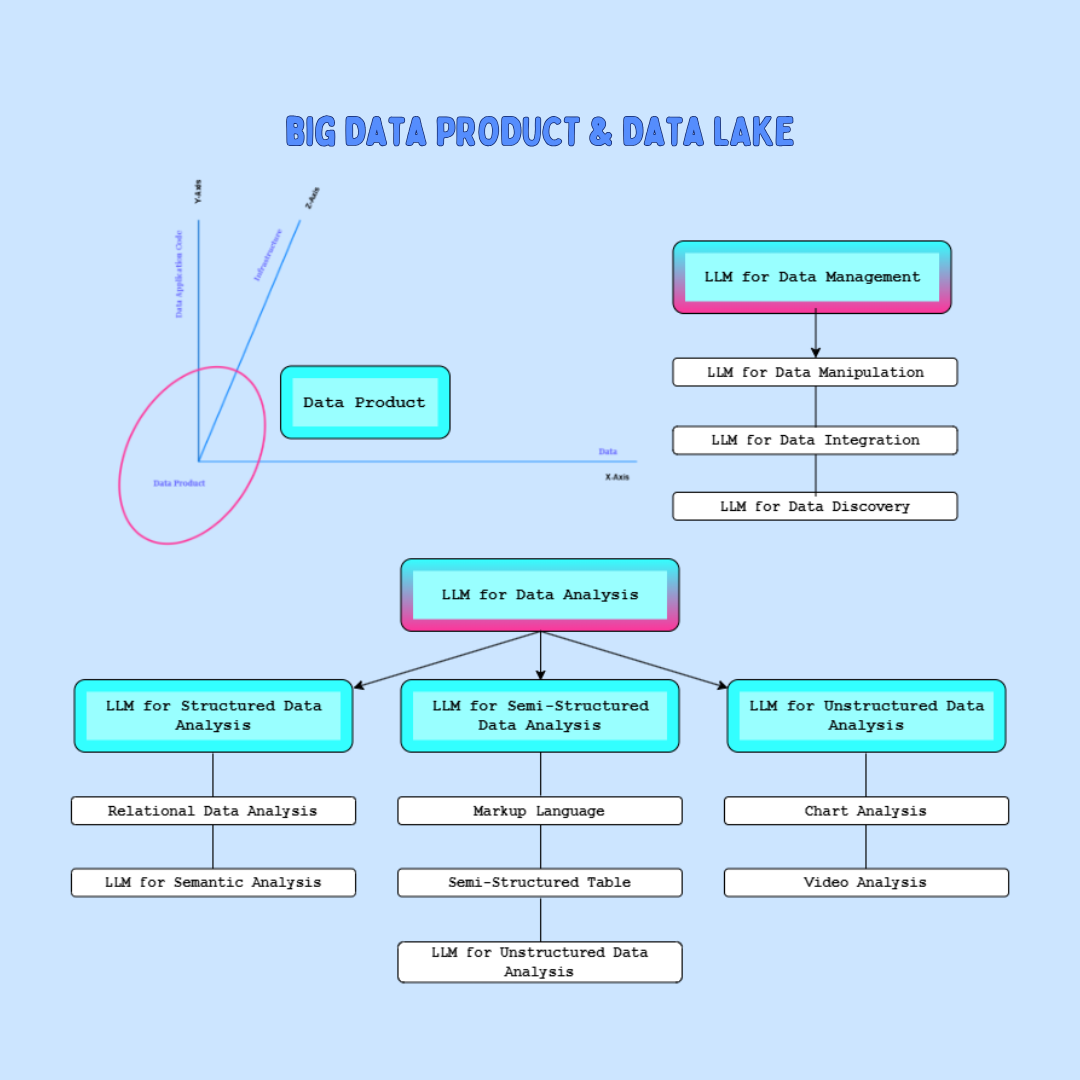
There are different types of Data Platform and its measurement criteria. Data Platform or Product has Building-Blocks. There are different Data Platform or Product Architecture based on how the Platform or Product is built. There are different ways that Data Platform or Product is provisioned to the customer. There are different types of users for the Data Platform or Product based on their profiles & Persona.

Apache Hadoop and Hive

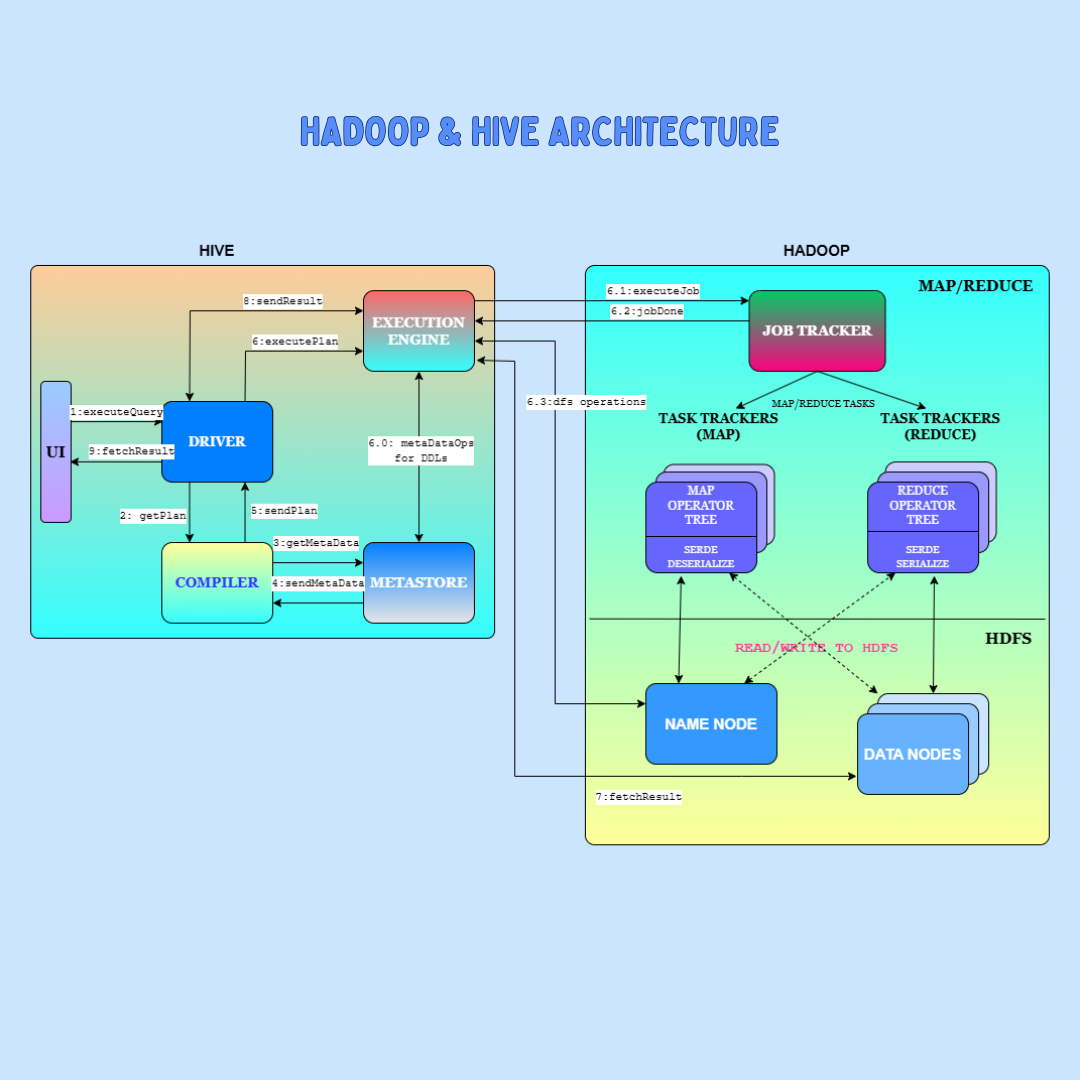
Hadoop is the entry and starting point for Big Data Technologies. But some technologies started working without Hadoop. Hadoop provides file storage systems in the distributed manner. Hadoop also provides a computational framework with its in-built Map-Reduce concept. Hadoop on Yarn magnifies its capabilities and makes query processing faster. Hadoop high availability is enhanced with Hadoop federation while Yarn can be made highly available through ZooKeeper and modifying configuration files accordingly. Hive is the traditional Big Data Warehouse Technology. Hive has a Computational Engine for query execution and Metastore for managing Metadata. Hive uses Hadoop for storage as well as for Map-Reduce jobs. Hive is accessed through Beeline and HiveServer2. Hive Metastore is used as legacy Metastore in Data Lake and modern Data Platforms such as Snowflake, Databricks, Starburst, and others. Hive uses any other execution engine such as Spark or Tez and stores processes Data in Spark SQL (if engine is Spark) and that Data finally go to Storage either in HDFS or Object Storage.

Apache Spark

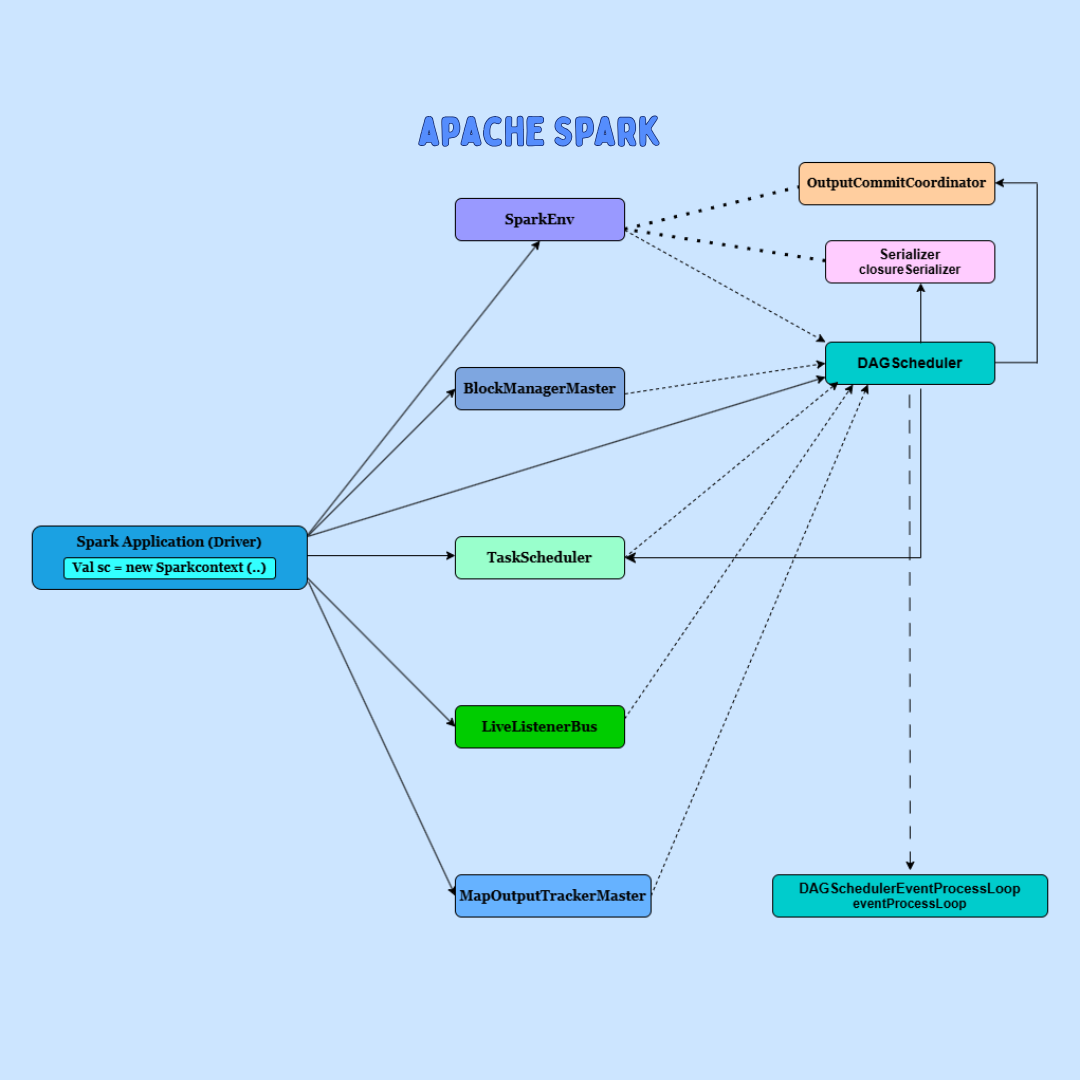
Spark is the Big Data & Data Lake industry default engine, used across industries. Spark has features of core Spark engine, Streaming, Machine Learning, and Graph Database. Spark Core is included in this book. Spark core has further modules considered as features. These modules are Spark Services, RDD & its programming, Spark SQL, and Spark on Yarn. Spark is accessed by command line, SDK, Jupyter (or Others) Notebook, and API.

Data Streaming

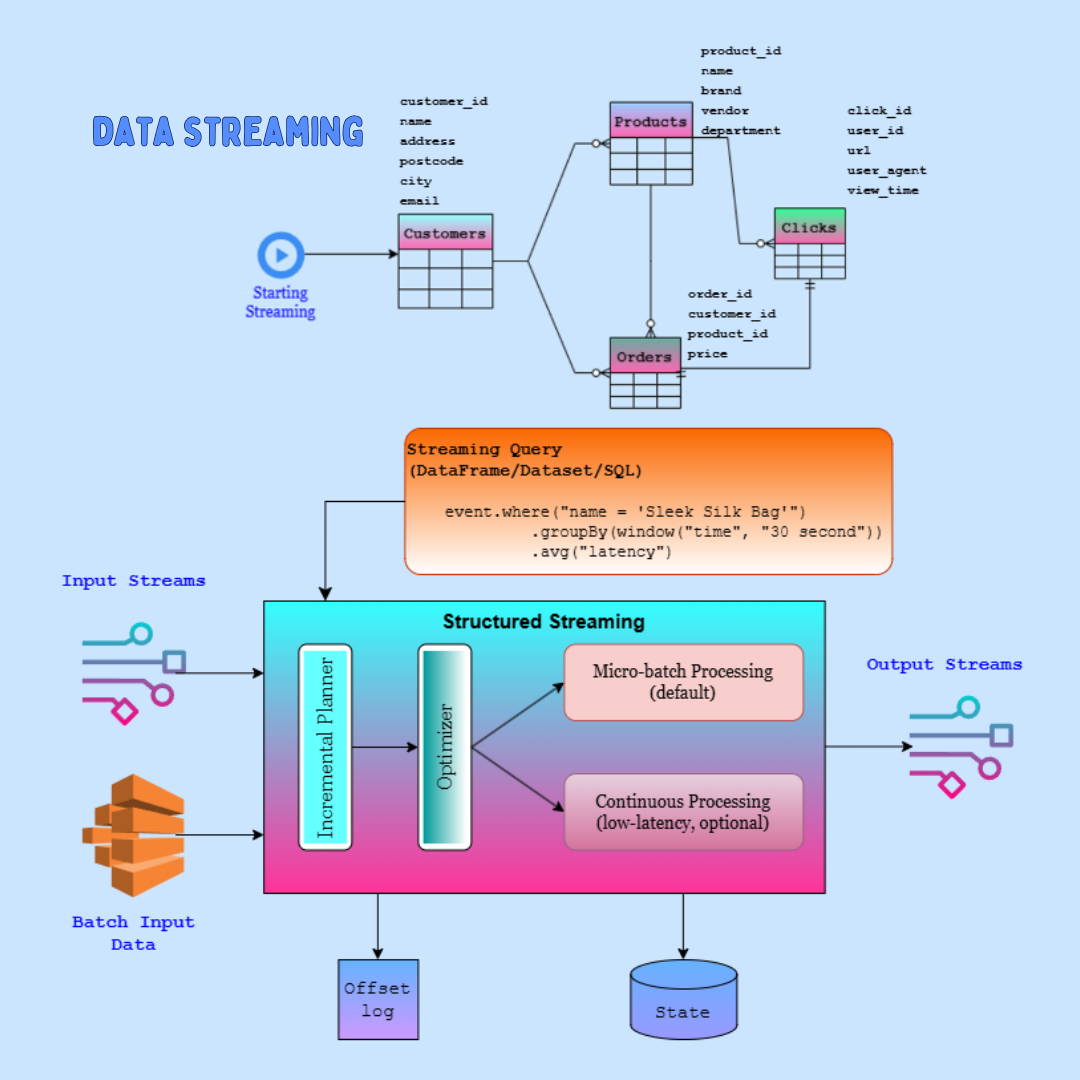
Fundamental and Core concepts of the Streaming is covered. Kafka and Spark streaming is in the scope of this book. There are two formats of Kafka. One is open source while the other is from Confluent and comes as a managed cloud. Spark streaming uses core Spark SQL DataFrame for structure streaming. Though there is another Spark streaming (DStreams ) but it will be deprecated. Managed Kafka has Kafka Cluster, Schema Registry, Resource hierarchy, and storage.

Trino

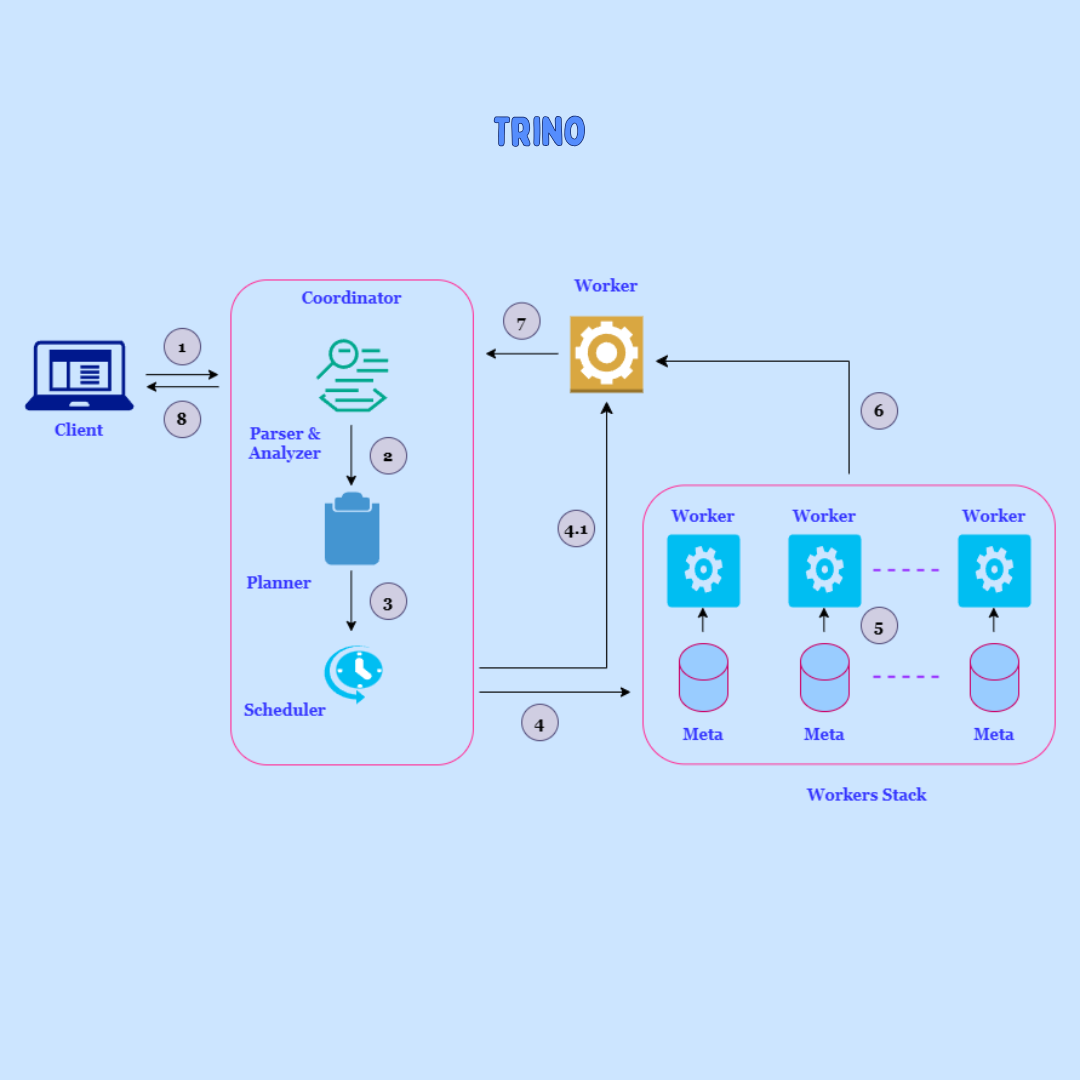
Trino is a high-performance, open-source distributed SQL query engine designed for interactive and batch analytics on large datasets. Trino uses a massively parallel processing (MPP) architecture, distributing query execution across multiple nodes for efficient processing of large datasets. Trino has a service provider interface (SPI), which defines the functionality a connector has to implement for specific features. Trino comes under Connector-Based Architecture.

Apache Airflow

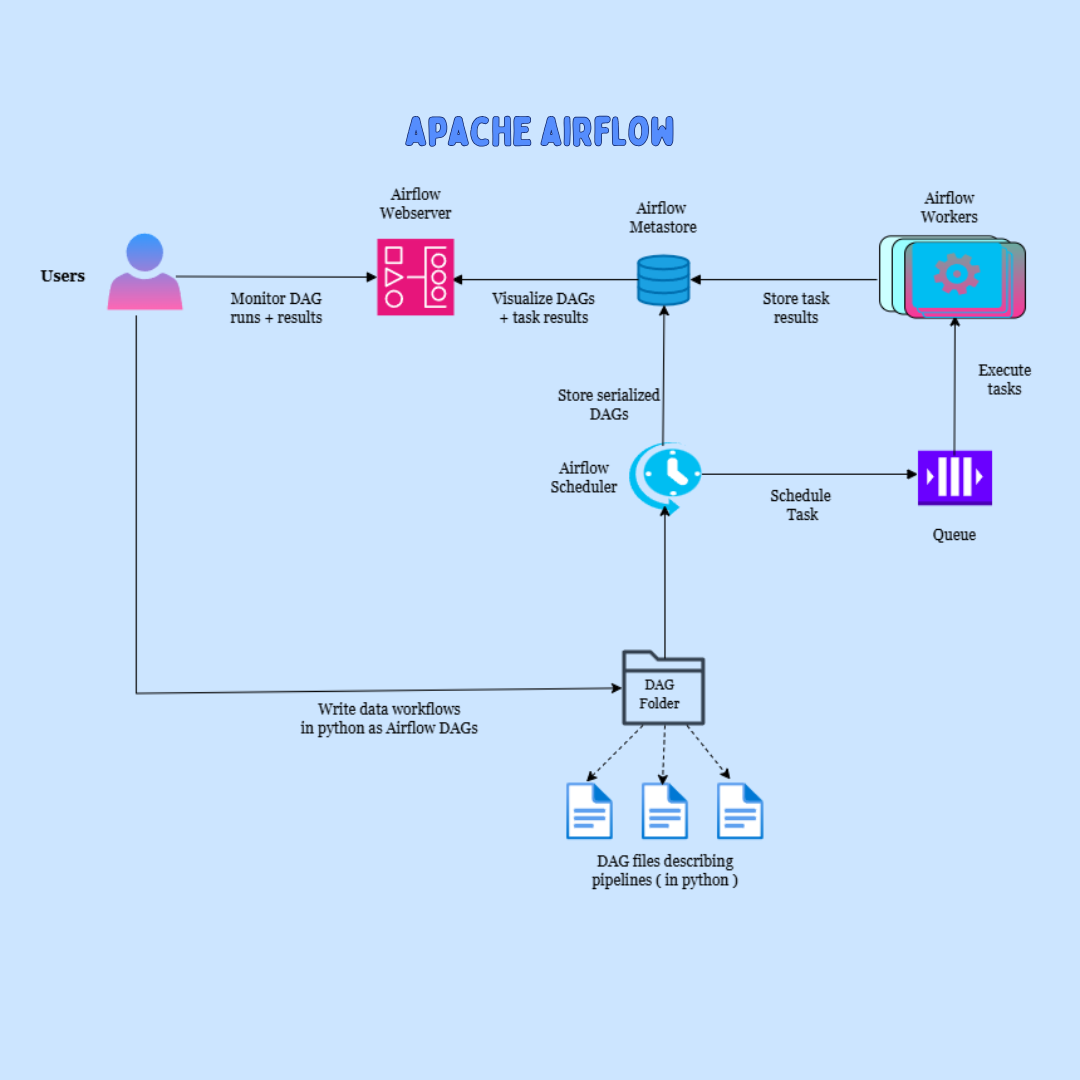
Apache Airflow is an open-source platform for programmatically authoring, scheduling, and monitoring data pipelines. It's widely used for orchestrating complex workflows in data engineering, data analytics, data science, and data governance, by allowing users to define pipelines as code, facilitating easy visualization, scheduling, and monitoring. The Airflow does such tasks with DAG written in python. Workflow and Automation is key feature in any software or product, so organizations have developed their own version of Airflow called third-party Airflow binary.

Vector Database

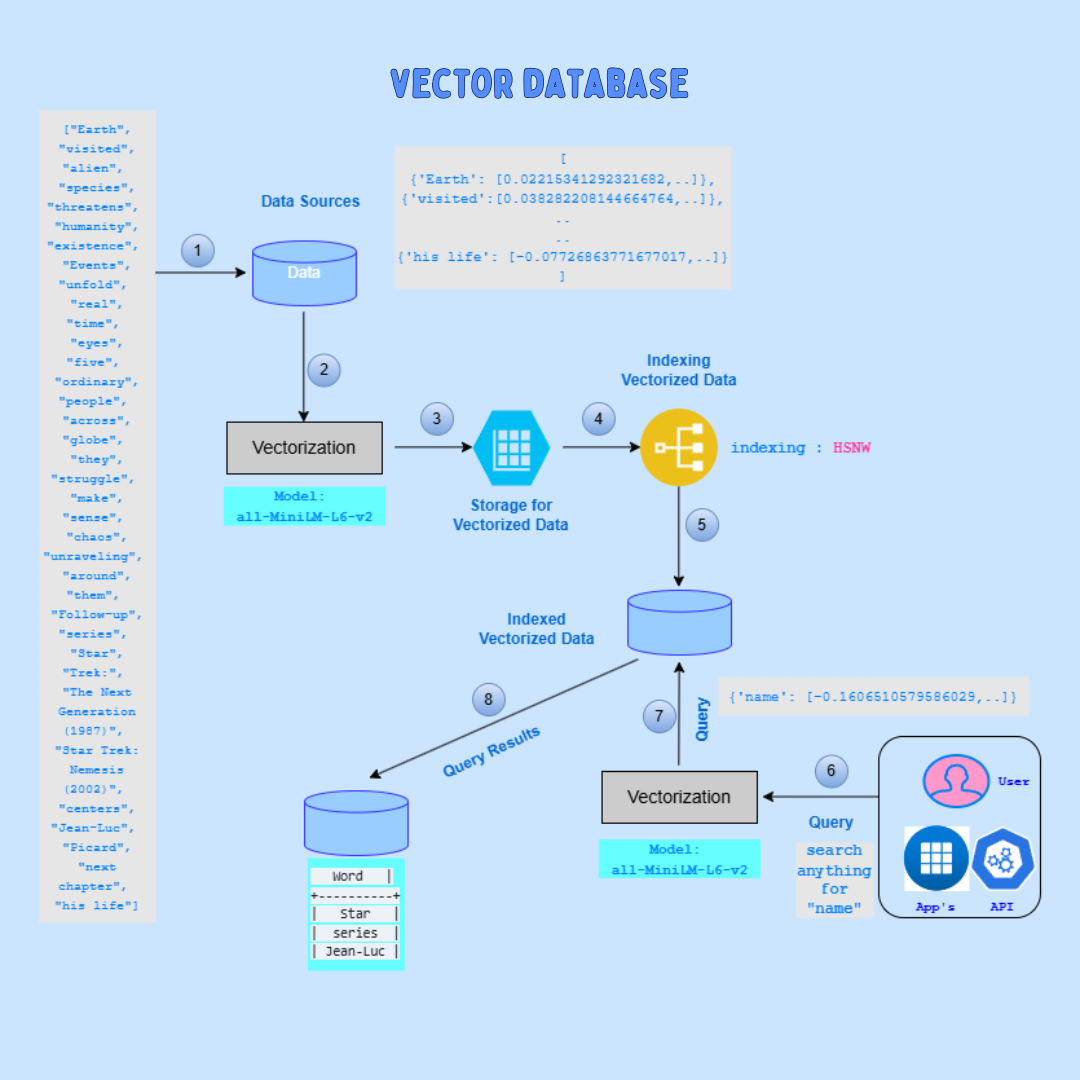
Vector Database is relatively new in the Database series. It works on the "Similarity Searches" rather than traditional "Conditional Searches". Vector Database is used in Machine Learning and Artificial Intelligence. Vector Database is used in AI & Prompt engineering but managing Data falls under Data Engineering. There are various Organizations who started providing Vector Databases. Existing Databases started bringing extensions for vector databases, for example Postgres extension pgvector.

Data Warehouse

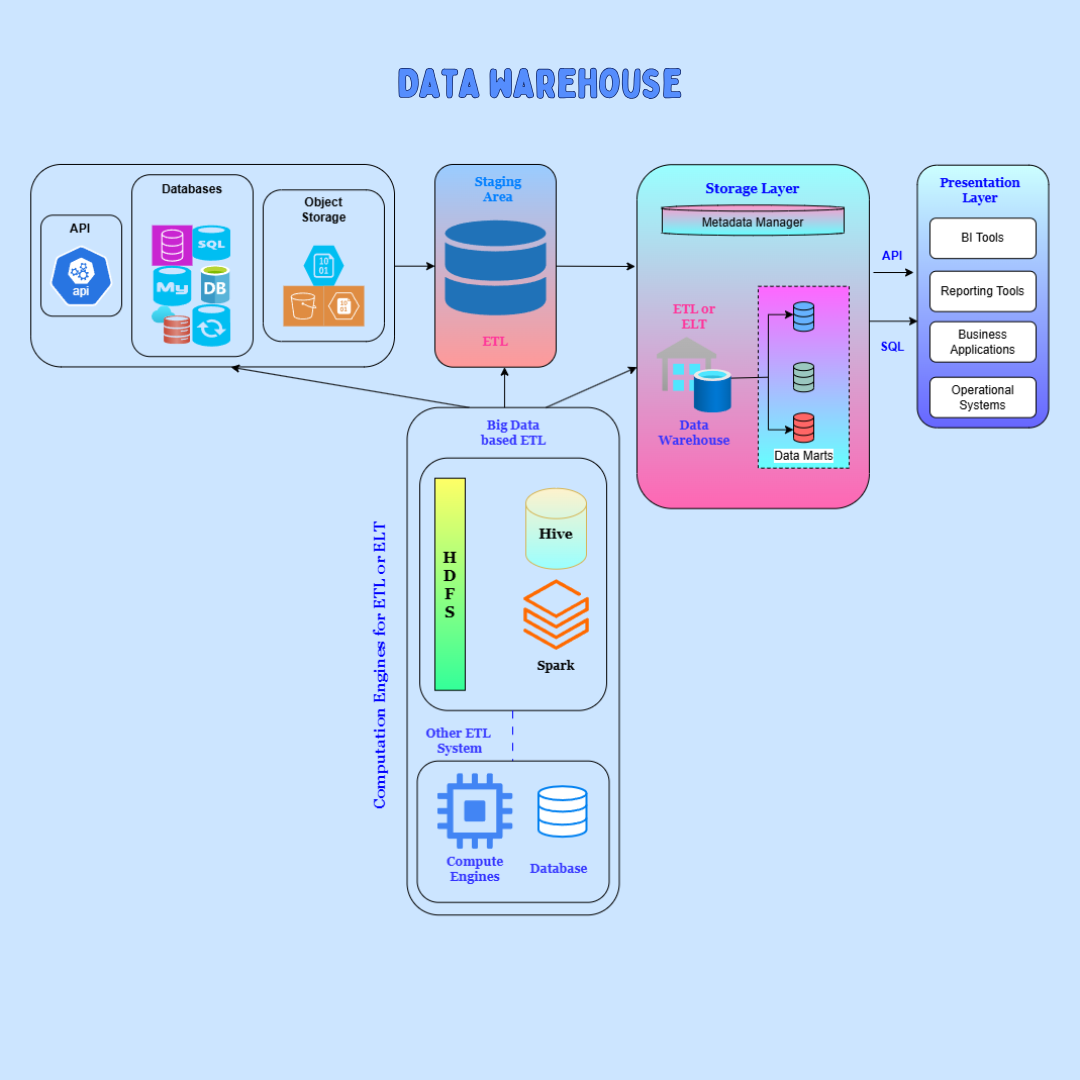
Data Warehouse is the concept and framework for managing an organization's historical Data. There is a shift in Data Warehouse processes such as ETL to ELT. It depends on the specific scenario. But Load (ELT) is preferred first as Data should be in the staging area. This concept has boosted the use Data Lake. Data Warehouse implementation remains almost the same but Benchmark varies. TPC-DI (Data Integration) is considered and used in Benchmarking.

Data Lake

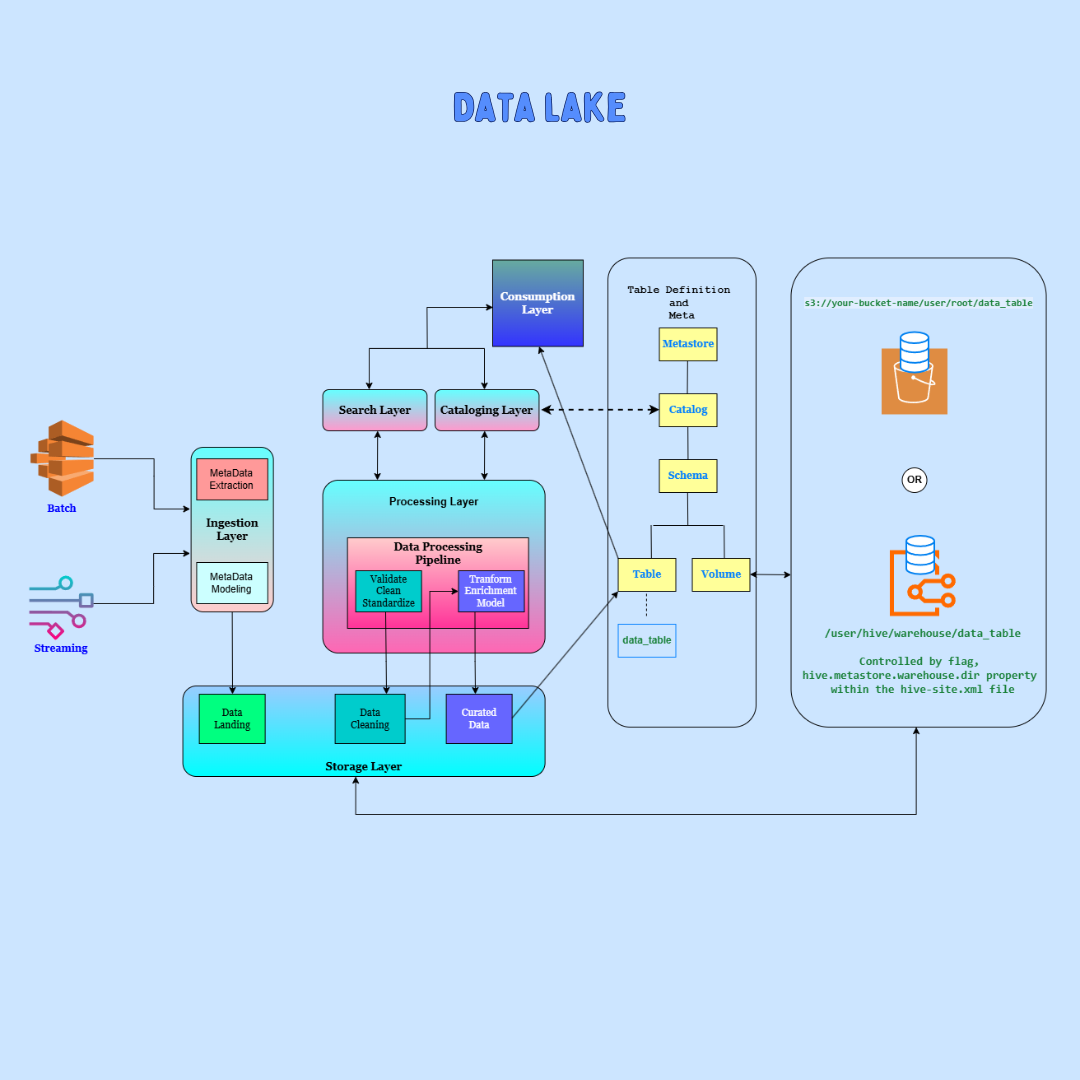
Data Lake is trending now compared to Data Warehouse. New Data Organization setup happens on Data Lake. Data Lake comes in two formats. One is Delta-IO and the other is Apache Iceberg. Adoption of these two has already started. These two are already in use. Databricks is based on Delta-IO, Starburst supports both, and Snowflake supports Iceberg but has features to access Delta-IO. Other Cloud and Data Organizations have their own Data Lake based on either Delta-IO or Iceberg or their own framework. Data Lake has Unity-Catalog along with legacy Hive Metastore commonly.

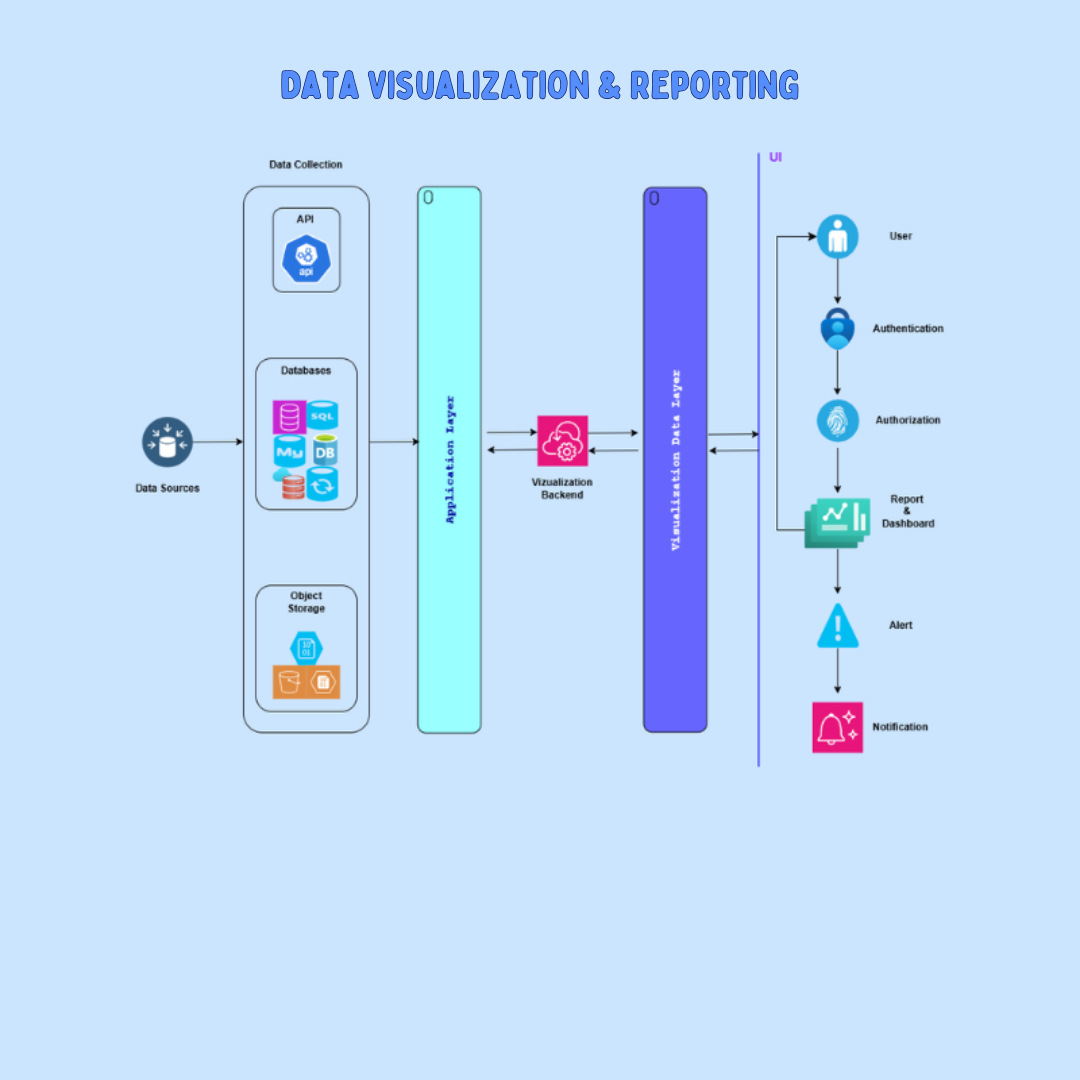
Data Visualization & Report

Data visualization is the practice of representing data and information graphically, using charts, graphs, or maps, to make complex data easier to understand and extract insights from underlying Data Layer. Data reporting is the structured presentation and dissemination of analyzed data and findings to intended audiences, often through documents, presentations, or meetings. Data Platform or Product has out of box features of Data Visualization & Reporting. But there are various Data Visualization & Reporting Software or Tools or Products, such as Power BI, Tableau, Qlick Sense, .. and many others