Our Approach
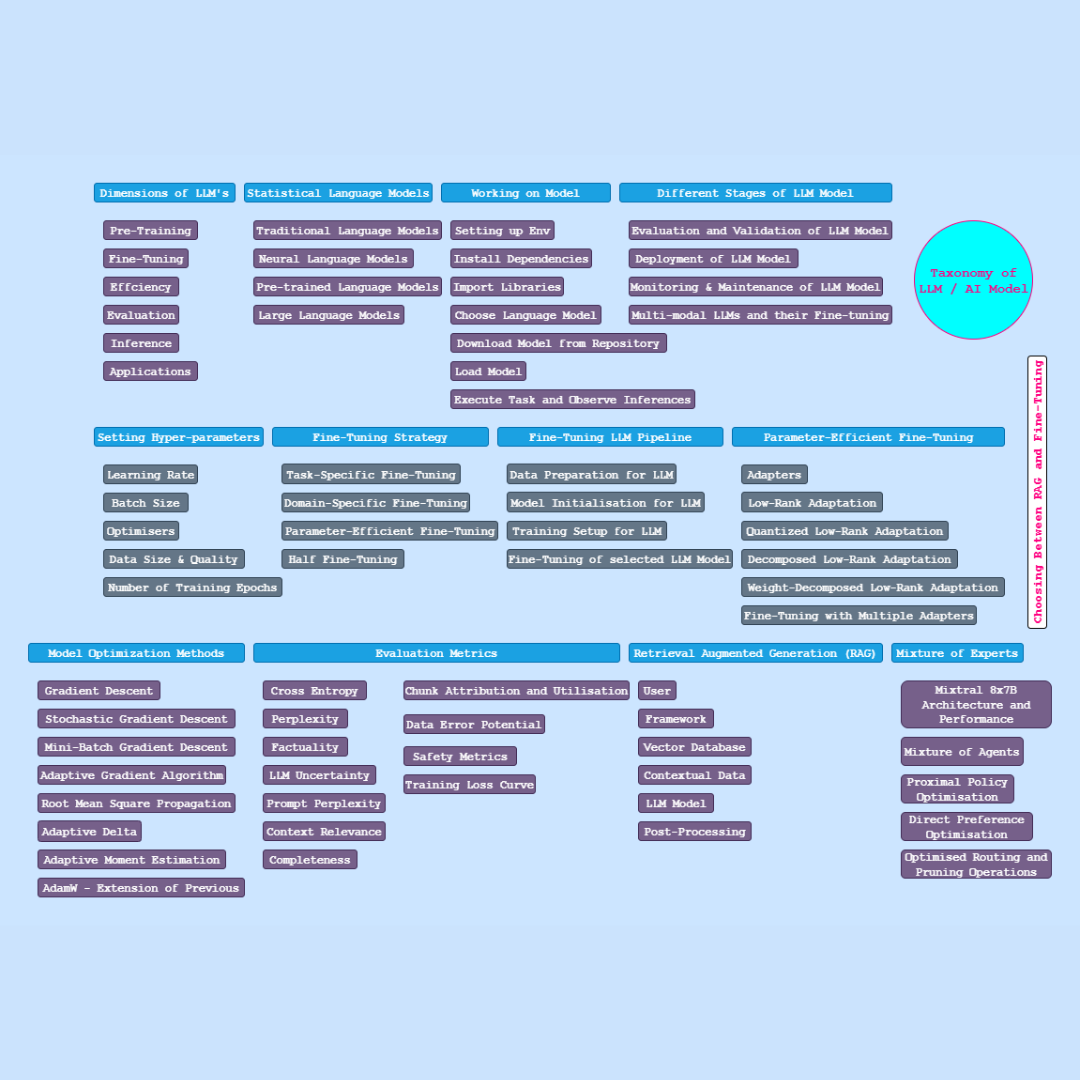
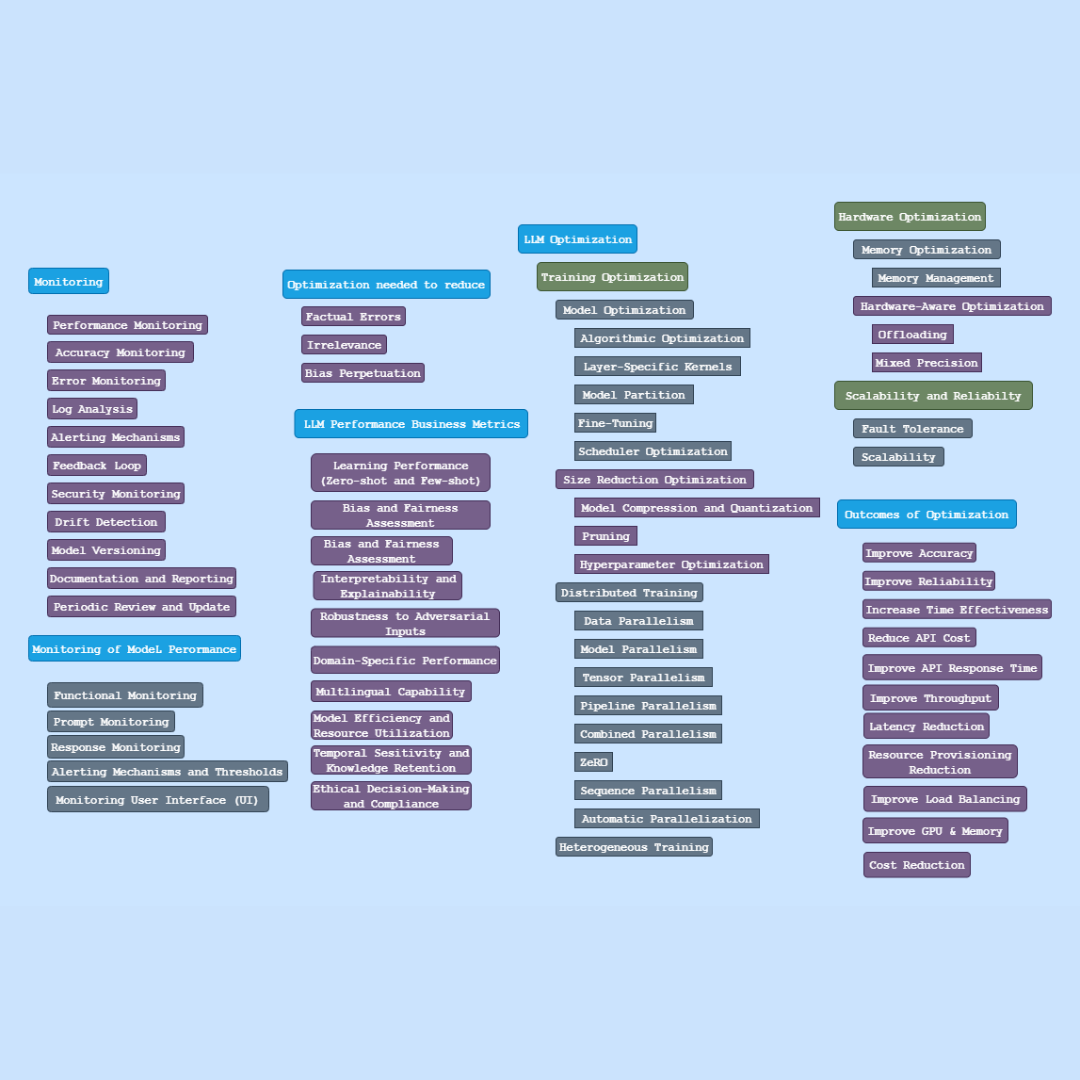
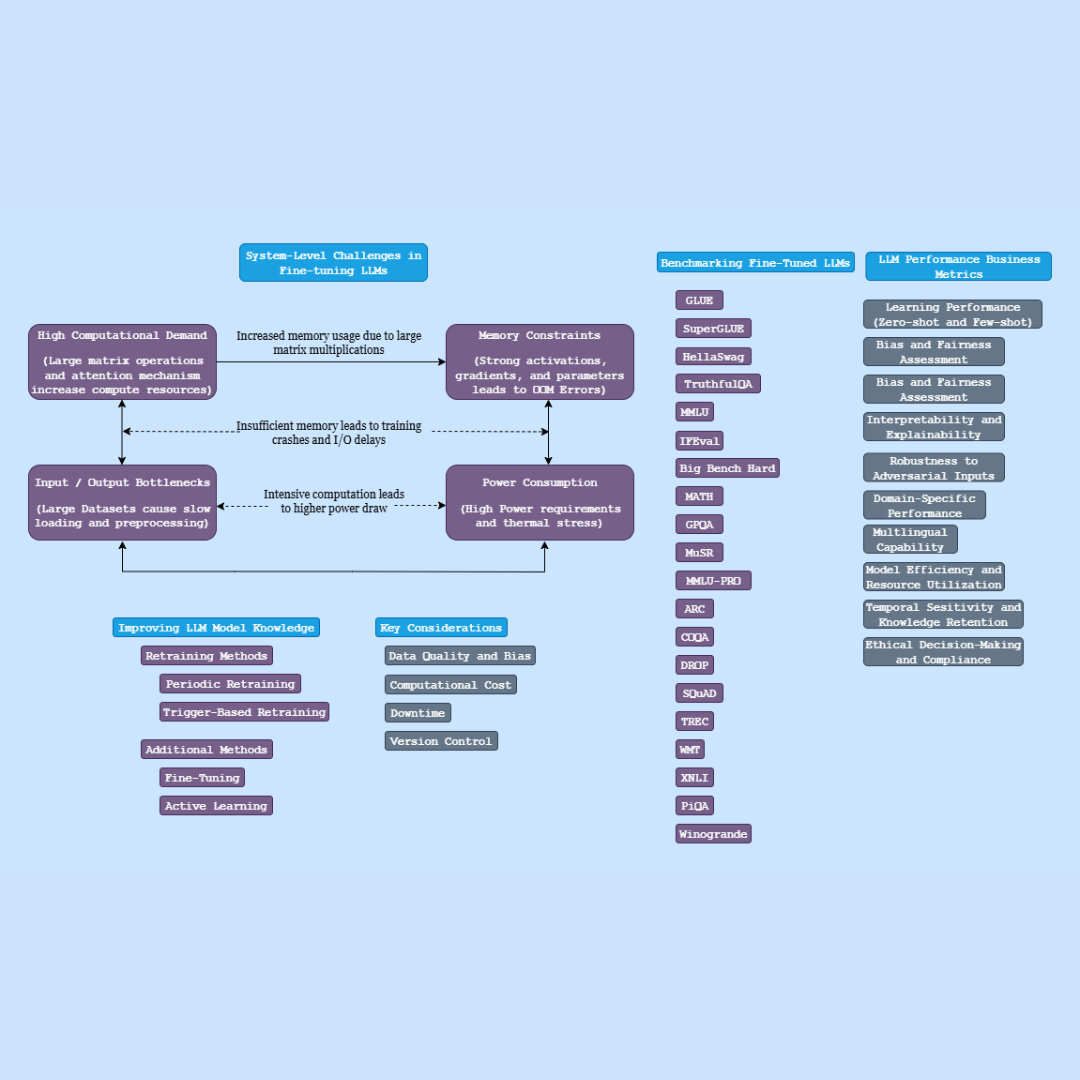
Our approach examines the process of fine-tuning Large Language Models (LLMs), integrating theoretical insights and practical applications. Our rigorous analysis differentiates between various fine-tuning methodologies, including supervised, unsupervised, and instruction-based approaches, underscoring their respective implications for specific tasks.
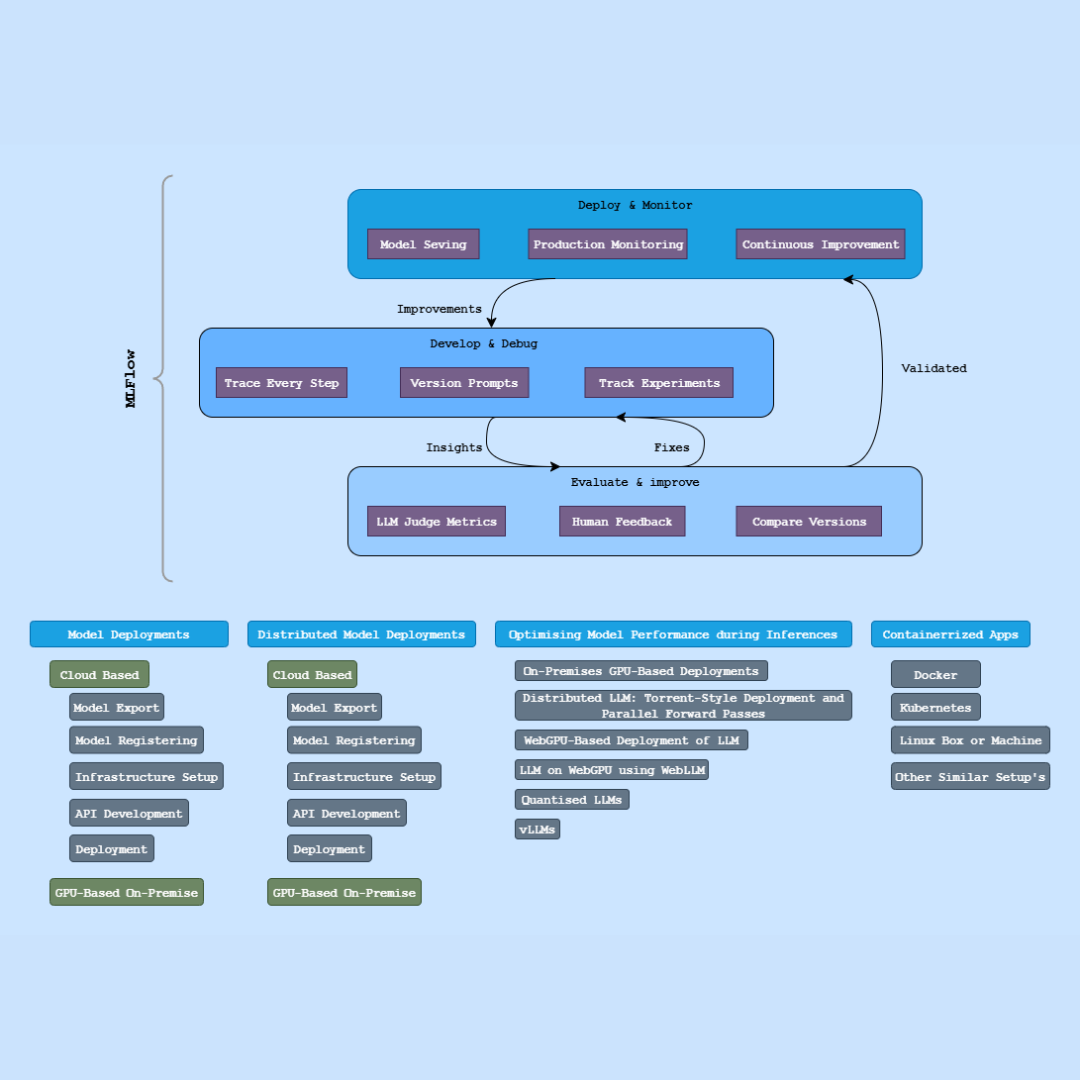
We cover the complete lifecycle from data preparation to model deployment. Key considerations include data collection strategies, handling of imbalanced datasets, model initialisation, and optimisation techniques, with a particular focus on hyperparameter tuning. The report also highlights parameter-efficient fine-tuning methods such as Low-Rank Adaptation (LoRA) and Half Fine-Tuning, which balance resource constraints with optimal model performance.
We focus on advanced fine-tuning techniques and configurations like memory fine tuning, Mixture of Experts (MoE) and Mixture of Agents (MoA), demonstrating how these methods harness specialised networks and multi-agent collaboration for improved outcomes. Proximal Policy Optimisation (PPO) and Direct Preference Optimisation (DPO) are discussed as innovative approaches to aligning models with human preferences, while the benefits of pruning and routing optimisations are examined for enhancing efficiency.
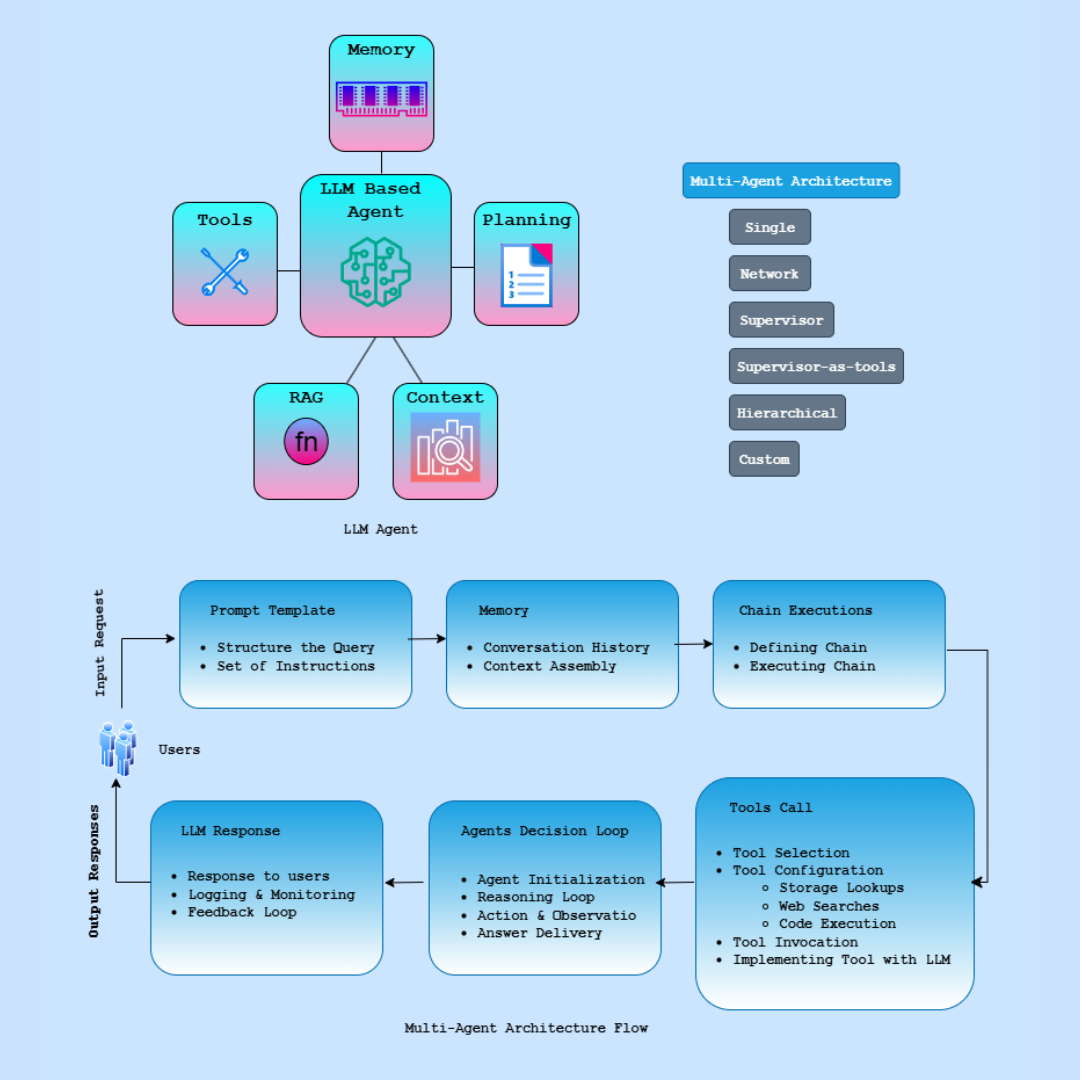
We include all aspects of utilizing various features & tasks provided by GPTs, Claude, LLaMA, Qwen, and others along its integration in the AI ecosystem through API & MCP Server. AI harness engineering is the practice of designing the execution environment around an AI agent, giving it the tools, memory, constraints, and validation loops needed to perform reliable, multi-step work without constant human supervision.
Recently Anthropic tossed a new term of "Loop Engineering" in AI. Loop engineering is the practice of designing autonomous systems that guide AI agents through iterative cycles of action, observation, and verification, rather than having humans write step-by-step prompts. It shifts the focus from "how to prompt" to "how to build self-correcting workflows".
Now let's understand these use cases. We need outcomes and these outcomes become input for others. We require Probabilistic as well as Deterministic outcome both as input & output. Probabilistic outcome is more bound to model while Deterministic outcome is fully bound to software system constraints. Harness Engineering is good at making outcomes Deterministic.
In the AI era, the software industry is seeing explosive growth in AI-driven tools and hence new ways of packaging & deploying. Ecosystem is shifting from static code and assistive copilots to autonomous Agentic AI systems and is considered a new paradigm. New paradigm involves multimodal models and autonomous workflows spanning multiple package types.
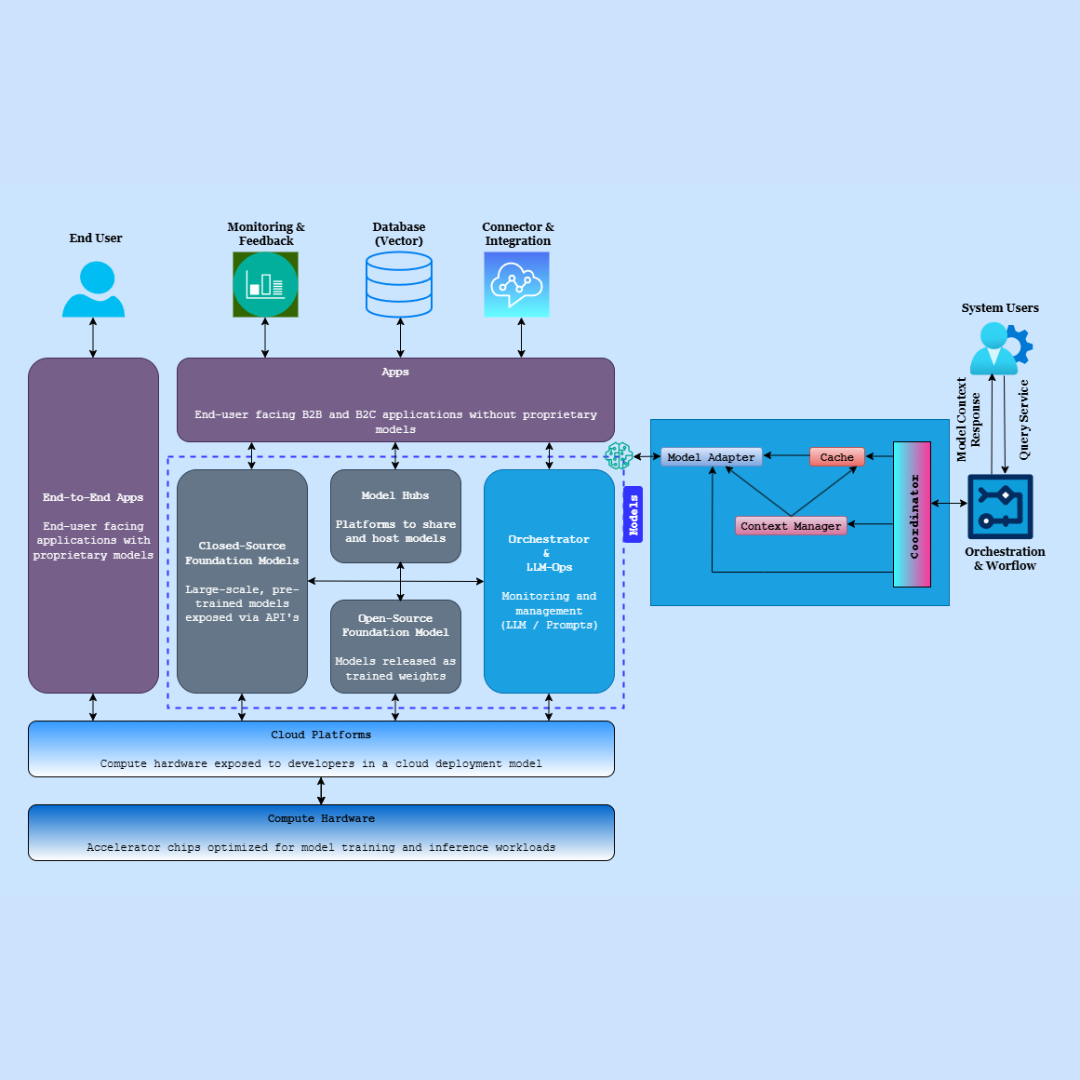
A Production-Ready AI Tech Stack requires compatible hardware, driver, and library along with layers of Orchestration, Application Integration, and infrastructure.
The country specific Artificial Intelligence Policy is a comprehensive strategy focused on maintaining global technological dominance, accelerating commercial innovation, building robust computing infrastructure, and mitigating security risks. It utilizes a coordinated, whole-of-government approach to ensure America leads in AI development while protecting democratic values.
An AI maturity model is required to transition organizations from isolated, experimental pilots to sustainable, high-ROI AI-Native systems. AI maturity model is a structured diagnostic framework to benchmark capabilities, align strategic goals, and identify critical gaps in data readiness, governance, talent, and infrastructure. There is a set of checklists used to assess.
AI trends refer to the evolving trajectory of artificial intelligence technologies, across LLM inferences, compute capacity, training cost, use in software development, hardware capacity. Individuals and Industries must track these shifts—such as the rise of autonomous AI agents and multimodal models—to maintain a competitive advantage, drive efficiency, and avoid obsolescence.
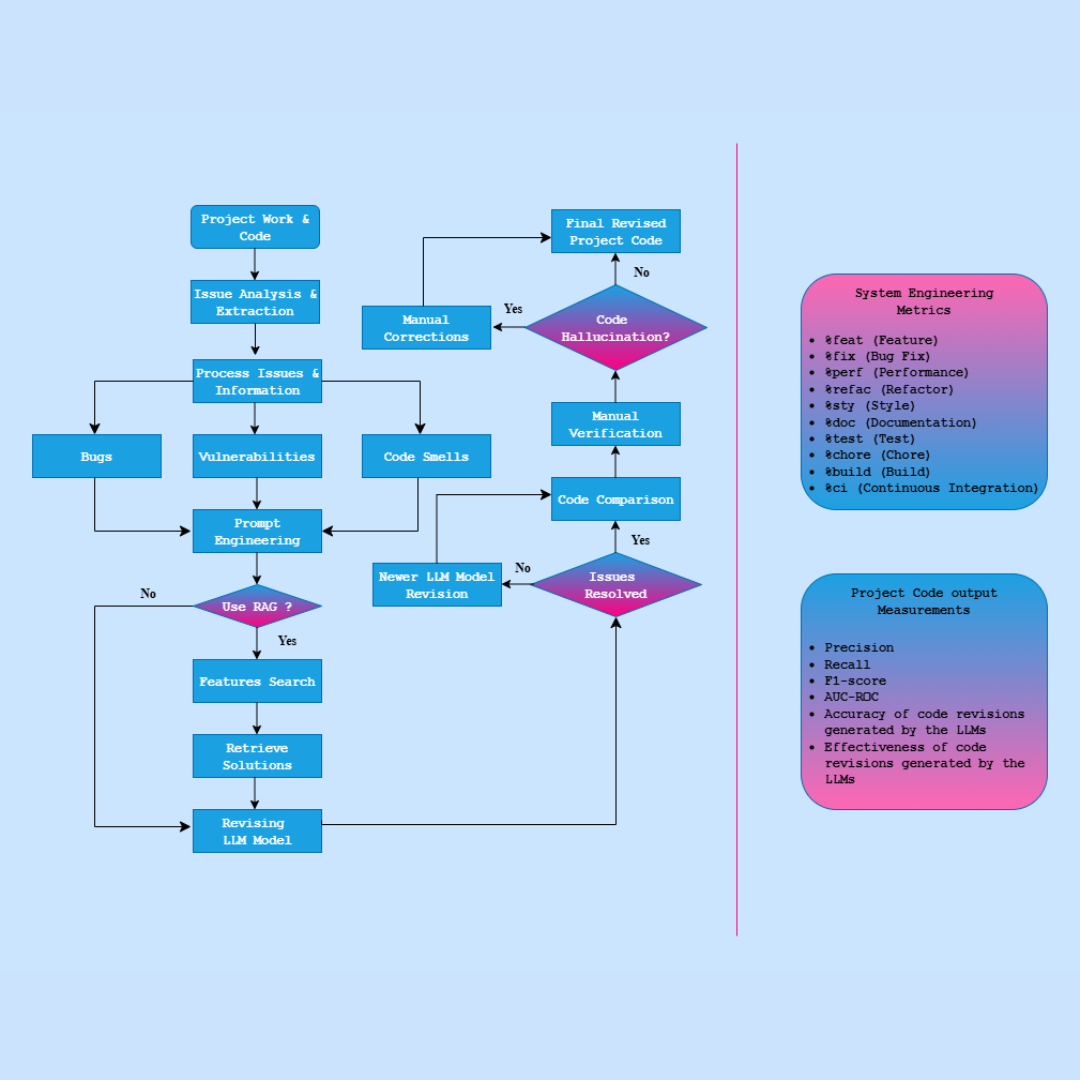
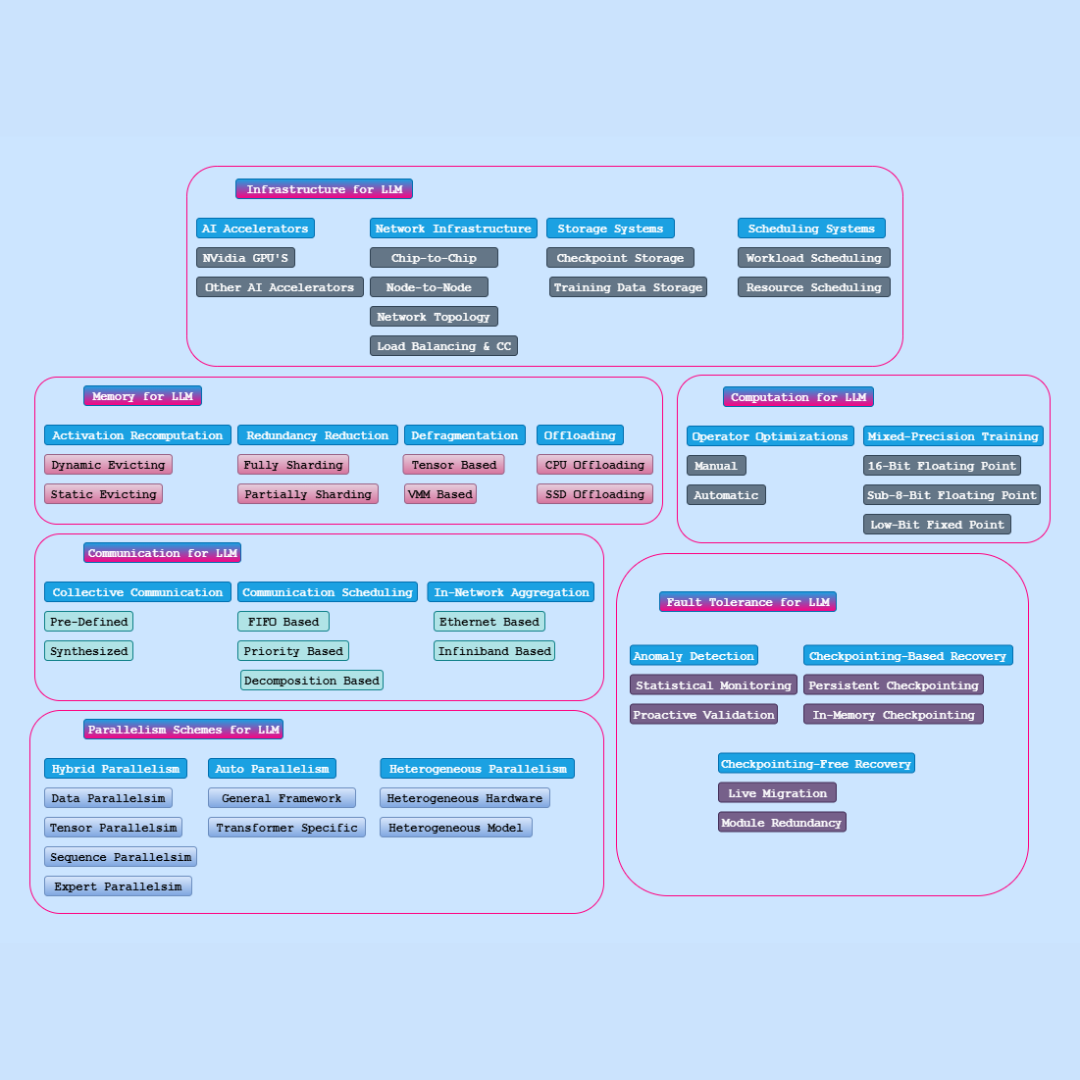
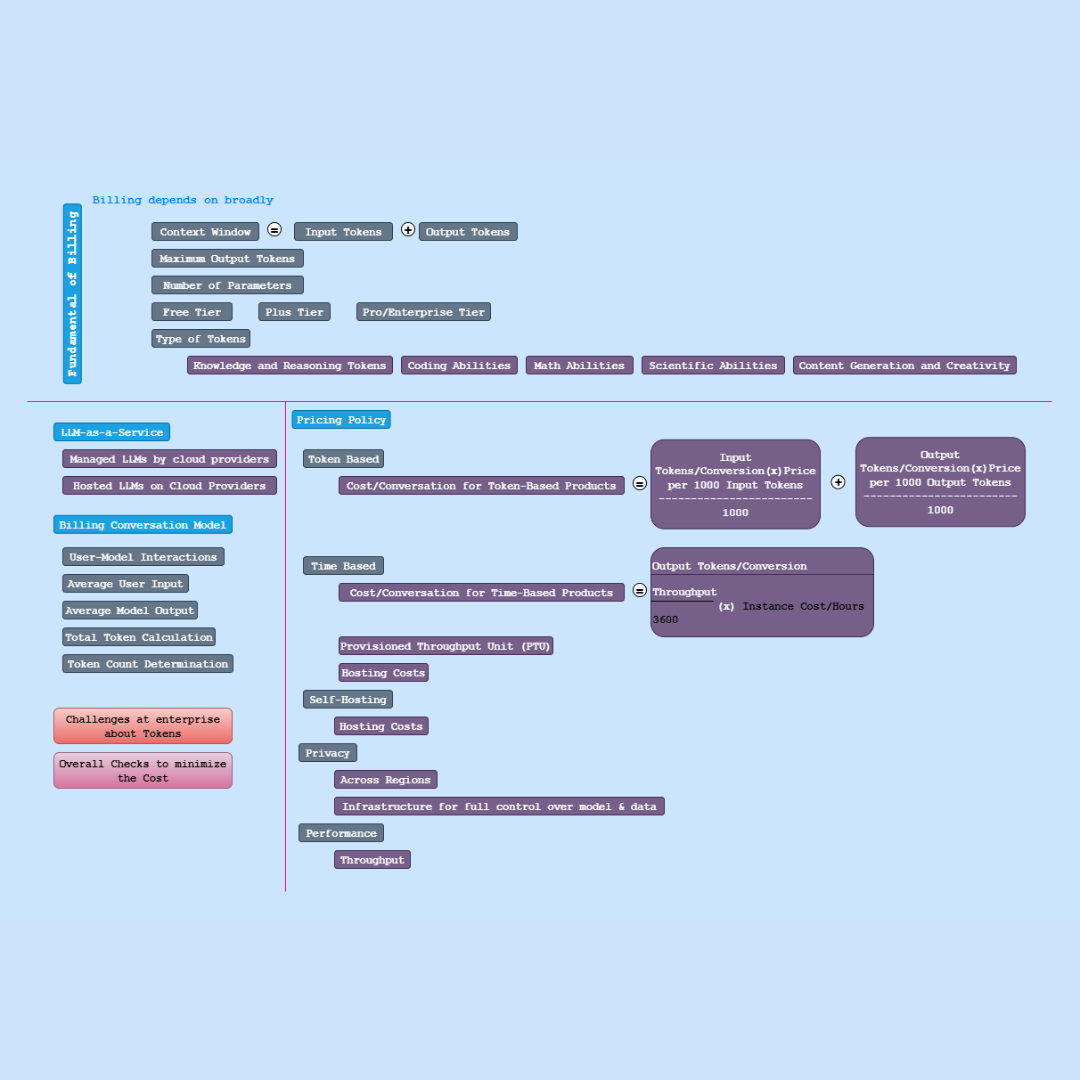
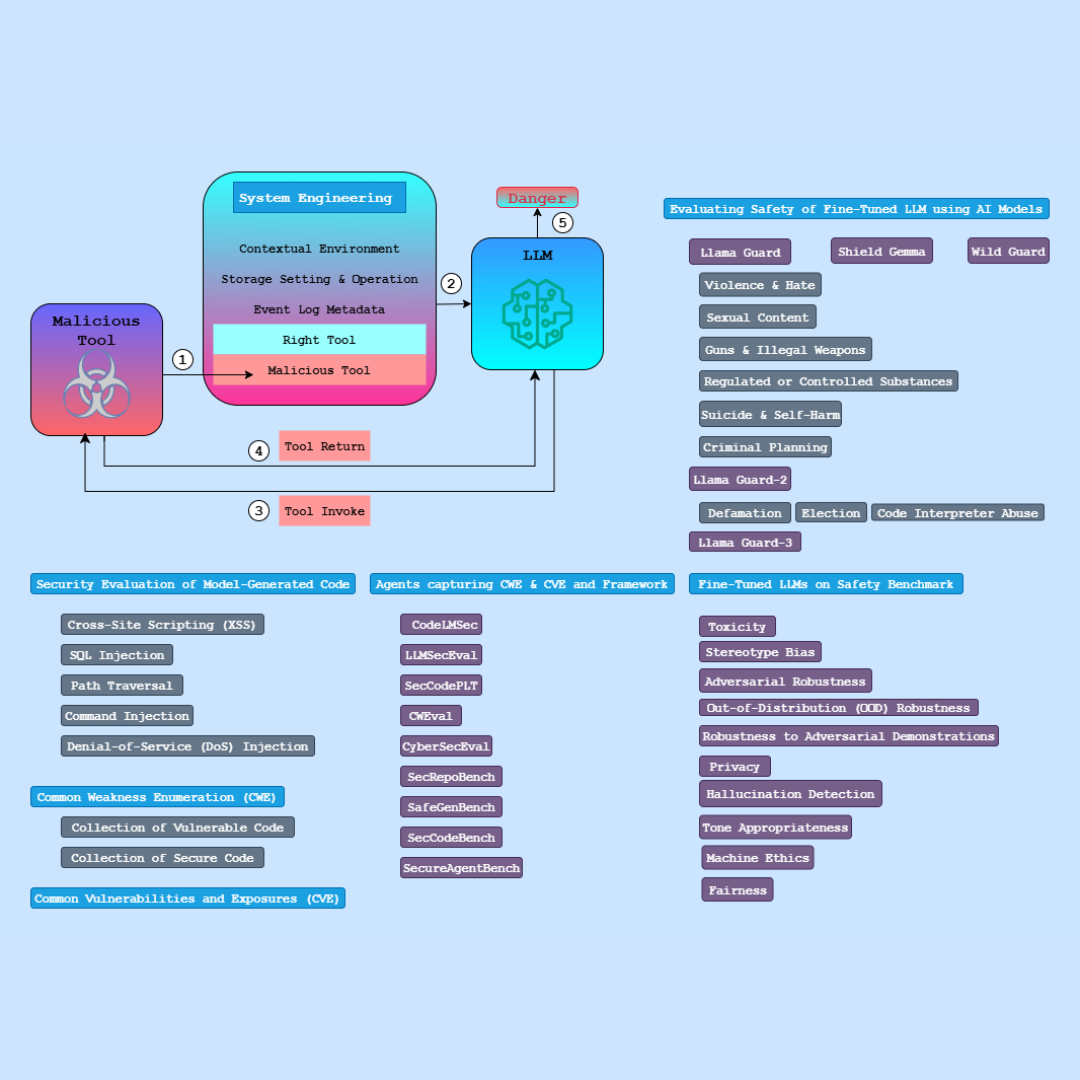
We cover all components & concepts required in AI analysis, development, implementation, and support. These components & concepts are described in brief below. Write to us, we will connect earliest for the simplest use case.